


Let’s be real for a moment. Most people hear the word millworker and picture “someone who works with wood.” That’s not wrong, but it’s wildly incomplete. A millworker is part craftsperson, part problem solver, part quiet perfectionist. They’re the people who take flat drawings and turn them into real, tangible spaces that feel intentional, balanced, and built to last.
If you’ve ever walked into a custom kitchen, a refined office lobby, or a thoughtfully renovated home and thought, this feels right, chances are a skilled millworker had a hand in it.
This guide unpacks the millworker meaning, the role, the skills, the mindset, and why millworkers matter so much in places like Port Coquitlam and Langley, where quality construction and thoughtful renovation are not optional. They’re expected.
Understanding the Millworker Meaning (Without the Fluff)
At its core, the term millworker refers to a professional who builds, shapes, and installs wood-based architectural components, usually custom-made and precise to the millimetre.
But honestly, that definition barely scratches the surface.
A millworker doesn’t just “make things out of wood.” They interpret architectural drawings, understand material behaviour, anticipate installation challenges, and obsess over details most people will never consciously notice. And yet those details are exactly what make a space feel finished rather than rushed.
Millworkers work with:
- Custom cabinetry
- Doors and frames
- Wall panels and feature walls
- Stairs and rail systems
- Built-ins and storage solutions
- Architectural mouldings
In short, millwork is where structure meets aesthetics. And the millworker is the bridge.
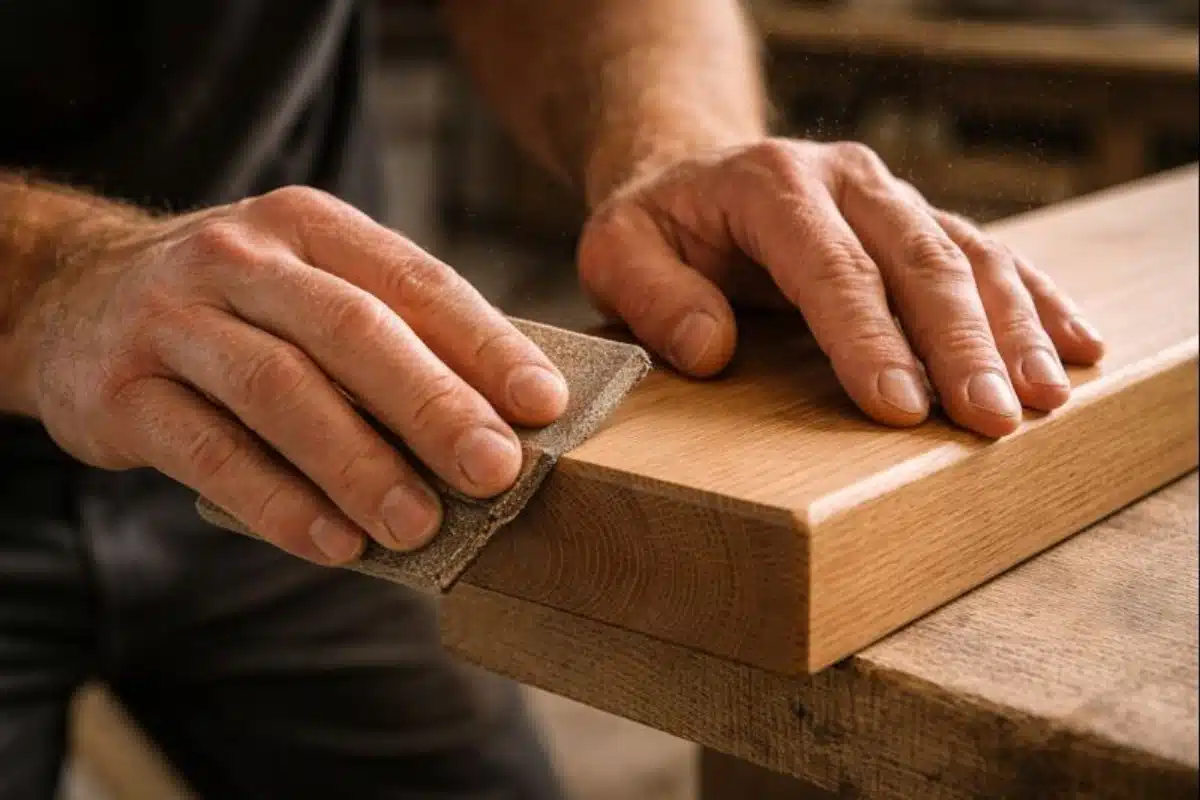
What Does a Millworker Actually Do Day to Day?
From Drawing to Reality
A millworker’s job often begins long before any sawdust hits the floor. They review shop drawings, coordinate with designers and contractors, and think through how every component will be built and installed.
Then comes fabrication. Precision cutting. Assembly. Dry fitting. Adjustments. Sometimes, rethinking an entire approach is necessary because the real world doesn’t behave like a drawing.
Finally, installation. And this is where experience really shows. Walls aren’t perfectly straight. Floors aren’t always level. A good millworker knows how to adapt without compromising the final look.
That’s why searching for millwork near me isn’t about convenience. It’s about finding people who understand local construction realities, building codes, and expectations.
The Skills That Separate a Millworker From “Someone Who Works With Wood”
Technical Skill Meets Judgment
A professional millworker blends technical expertise with judgment earned through repetition.
They need:
- Deep understanding of wood species and engineered materials
- Comfort with CNC machinery and traditional tools
- Strong spatial awareness
- Patience and consistency
- The ability to fix problems quietly and effectively
The most underrated skill is restraint. Knowing when not to overdesign. When a simple detail will age better than a flashy one.
That’s the thinking you find in a serious millwork shop, not a production line.
Millworkers and Custom Millwork: Why One Depends on the Other
You can’t talk about millworkers without talking about custom millwork. They are inseparable.
Custom millwork exists because no two spaces are truly identical. Even in new construction, small variances demand tailored solutions. A millworker accounts for those variables while maintaining design intent.
In residential projects, this might mean a kitchen designed around how a family actually cooks. In commercial projects, it might mean millwork that supports brand identity without overwhelming the space.
Either way, custom millwork is never accidental. It’s deliberate. Measured and thorough.
A Short Story From the Shop Floor
Let’s pause on theory for a second.
Imagine a homeowner in Port Coquitlam renovating a 25-year-old house. The plans look straightforward. But once walls are opened, nothing is square. Measurements drift. The designer’s vision is solid, but the execution needs finesse.
This is where a millworker earns their keep.
Instead of forcing prefab solutions, they adapt. Adjust reveals. Modify cabinet depths. The final result doesn’t just fit; it fits. It belongs.
That’s the difference between renovation and hometown renovation done properly.
Millworkers vs Carpenters: A Common Misunderstanding
This comes up a lot, so let’s clear it up.
Carpenters typically work on-site, framing structures and installing components that don’t require high customization. Millworkers usually work off-site in controlled environments, building components that require precision.
They overlap. They collaborate. But they are not interchangeable.
When you’re comparing renovation companies near me, knowing who handles what can save you money, time, and frustration.
Why Millworkers Matter in Home Renovation Projects
The Invisible Upgrade
In many renovations, millwork is what elevates a project from “nice” to “memorable.”
It’s the built-in bench that fits perfectly under a window.
The pantry that finally makes sense.
The trim detail that quietly frames a room.
If you’re searching for home renovation near me, pay attention to who’s responsible for millwork. It often defines the final quality more than tile or paint ever could.
The Role of Millworkers in Commercial Spaces
Millworkers are just as critical in commercial projects.
Retail stores, offices, restaurants, and clinics rely on millwork for branding, flow, and durability. A counter isn’t just a counter. It’s a daily point of interaction. Poor millwork shows wear fast. Good millwork ages gracefully.
That’s why architects and designers partner closely with experienced millworkers from the earliest stages.
Materials: More Than Just Wood
Modern millworkers work with far more than solid lumber.
- Veneered panels
- MDF and engineered cores
- Laminates
- Sustainable composites
Choosing the right material isn’t just about cost. It’s about movement, longevity, and how the piece will behave years from now. A seasoned millworker thinks long-term.
Why Local Experience Matters in Port Coquitlam and Langley
Construction isn’t universal. Climate, building styles, and client expectations vary.
A millworker familiar with Port Coquitlam and Langley understands:
- Moisture considerations
- Local building standards
- Common renovation challenges in older homes
That local knowledge is hard to fake and impossible to replace.
Millwork Meaning in Real Life, Not a Dictionary
The phrase Millwork Meaning isn’t academic. It’s practical.
It’s the difference between furniture that fills a room and millwork that defines it. Between something installed and something integrated.
When millwork is done right, you don’t notice it individually. You feel the space working better.
Choosing the Right Millwork Shop
Not all shops are equal. A good millwork shop values process as much as output.
Look for:
- Clear communication
- Detailed shop drawings
- Clean fabrication practices
- Real installation experience
The best shops don’t oversell. They explain.
How Millworkers Collaborate With Designers and Homeowners
Millworkers often act as translators. They take design language and turn it into a construction reality.
They’ll ask questions like:
- How will this be used daily?
- Where can tolerances hide?
- What happens if materials move?
Those questions save projects.
Millwork and Long-Term Value
Good millwork adds real value to a property. Not just resale value, but daily usability.
Cabinet doors that still close smoothly after years. Drawers that don’t sag. Finishes that wear evenly.
This is craftsmanship you live with, not just look at.
Why Custom Millwork Is Worth the Investment
Let’s be honest. Custom work costs more upfront.
But it saves you from compromises. From replacing things prematurely. From living with solutions that never quite worked.
That’s why clients who care about quality almost always choose custom millwork once they understand the difference.
Millworkers and Sustainable Building Practices
Modern millworkers increasingly focus on sustainability.
Efficient material usage. Responsible sourcing. Durable designs that reduce waste over time.
Good craftsmanship is inherently sustainable because it avoids replacement cycles.
The Human Side of Millwork
Millworkers take pride in quiet wins.
A seam that disappears.
A door that aligns perfectly.
A client who doesn’t know why the space feels better, just that it does.
That’s the craft.
Millwork Near Me Isn’t Just a Search Term
When people search millwork near me, they’re really asking something deeper.
Who can I trust with my space?
Who understands my home, my city, my expectations?
The answer is never just proximity. It’s experience, care, and consistency.
Why Armak Architectural Millwork Fits This Role
At Armak Architectural Millwork, millwork isn’t treated as an add-on. It’s the foundation.
Based in Port Coquitlam and serving Langley, Armak approaches each project with the mindset that details matter, coordination matters, and execution matters most of all. From Moulding & Millwork to fully integrated custom millwork, the focus stays the same: build it properly, or don’t build it at all.


