

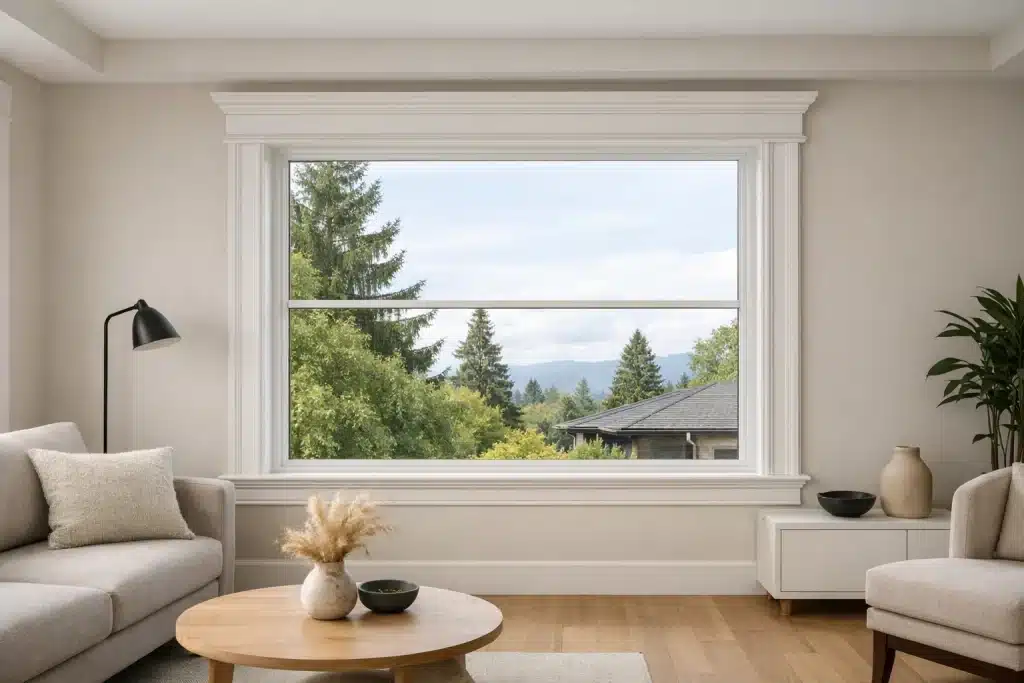
Windows do more than bring daylight into a home. They shape how a room feels. One detail that many homeowners overlook is the window casing. Yet the right casing can completely transform the look of a window and the surrounding wall.
In many homes across Metro Vancouver, especially in areas like Port Coquitlam and Langley, homeowners invest in beautiful windows but forget about the finishing trim. Honestly, that is like buying a great painting and leaving it without a frame. The trim around a window defines its character.
This guide explores the most popular window casing styles, how they influence interior design, and how to choose the right one for your home. Whether you are planning a renovation or building something new, understanding window casing styles will help you make a confident decision.
Why Window Casing Matters More Than You Think
At first glance, window casing might seem like a small architectural detail. However, it plays an important role in both design and construction. The casing hides gaps between the wall and the window frame, protects edges, and provides a finished look.
From a design perspective, window casing styles serve as visual borders. They frame the view outside while also adding dimension to the wall. In modern interior design, trim details are often what separate a basic renovation from a truly polished one.
Many homeowners only realize this after installation. They step back and suddenly notice that the trim around their windows gives the room structure and depth. It is one of those subtle upgrades that quietly elevates an entire space.
When done well, casing also ties together other trim elements such as baseboards, crown moulding, and door casings. That is where experienced professionals like Armak Millwork bring value to a project.
Understanding Window Casing Styles
Before choosing a design, it helps to understand what window casing styles actually refer to. In simple terms, window casing is the trim that surrounds the perimeter of a window opening.
Most window casing styles include four pieces. There are two vertical side casings, a top casing often called the head, and a bottom element that may include a stool or sill.
While the structure is simple, the design possibilities are almost endless. The profile, thickness, layering, and finishing details all affect how the casing looks.
Some window casing styles are minimal and modern. Others are elaborate and traditional. Choosing the right one depends on your home’s architecture and overall interior design.
The Role of Millwork in Window Design
The beauty of great window casing styles comes from craftsmanship. This is where millwork becomes essential. Millwork refers to custom woodwork produced in a workshop, including trim, mouldings, panels, and cabinetry.
A skilled millwork contractor ensures that each trim piece is cut precisely and installed properly. Even small inaccuracies can affect the symmetry around a window.
Let’s be real. When trim lines do not align perfectly, your eye immediately notices. That is why professional millwork fabrication matters so much.
Companies like Armak Millwork specialize in producing custom trim that matches the exact dimensions and style of a home. The result is clean lines, balanced proportions, and a polished interior.
Common Types of Window Casing Styles
Homeowners often discover that there are dozens of window casing styles available. However, most designs fall into several main categories.
Each style creates a different visual effect. Some emphasize simplicity while others highlight decorative detail.
Understanding these categories helps narrow down the options before committing to a final design.
Traditional Window Casing Styles
Traditional window casing styles often include detailed moulding profiles and layered trim elements. These designs work well in classic homes such as Craftsman, Victorian, or heritage-inspired interiors.
Traditional casings may include decorative head pieces, corner blocks, and thicker trim profiles. The goal is to create a rich architectural look.
Many homeowners in older neighbourhoods around Metro Vancouver choose this approach when restoring character homes. It helps maintain the property’s architectural integrity.
Modern Window Casing Styles
Modern window casing styles focus on clean lines and simplicity. The trim is typically flat with minimal detailing.
Instead of ornate mouldings, modern designs rely on proportion and alignment. The casing may be wider or flush with the wall surface.
This style is very popular in contemporary homes across Port Coquitlam and Langley, especially in open concept interiors.
Craftsman Window Casing Styles
Craftsman homes feature distinctive window casing styles with strong horizontal and vertical lines.
The trim usually includes thick side casings and a prominent top piece. Sometimes decorative blocks are added at the corners.
Craftsman casing emphasizes solid craftsmanship and natural materials. Many homeowners choose this design for warmth and character without excessive ornamentation.
Farmhouse Window Casing Styles
Farmhouse interiors have gained huge popularity in recent years. The window casing styles used in this aesthetic often feature simple profiles with wider boards.
Painted wood trim in white or soft neutral colours is common. The casing often pairs with shiplap walls or rustic design elements.
The charm of farmhouse trim lies in its simplicity. It feels comfortable, welcoming, and timeless.
Minimalist Window Casing Styles
Some modern homes skip decorative trim entirely and use minimalist window casing styles.
In these designs, the casing may sit flush with the drywall. The trim lines are subtle but precise.
Minimalist casing works well in contemporary architecture where clean surfaces and large windows dominate the design.
How Decorative Trim Enhances Window Casing
When homeowners want a more dramatic interior look, they often explore Decorative Trim elements.
Decorative trim adds layers, profiles, and architectural interest around windows. This can include crown-like head casings, decorative corner blocks, or built-up trim assemblies.
In fact, many design ideas come from collections of decorative trim design ideas that showcase creative trim combinations.
A well-designed casing system can transform a plain window into a feature element of the room.
Choosing the Right Window Casing Style for Your Home
Selecting among different window casing styles involves more than just appearance. Several factors should influence the decision.
Architecture, interior design, wall height, and existing trim all play a role.
When homeowners begin a renovation, they often ask a simple question. Which casing style will actually fit my home?
The answer usually comes from balancing design preferences with architectural context.
Match the Architecture
The first step is to consider the house’s architectural style.
Traditional homes often benefit from classic window casing styles with detailed Moulding profiles. Modern homes usually look better with flat trim designs.
Matching the casing to the architecture creates visual harmony throughout the space.
Consider Proportions
Proportion matters more than people realize.
In rooms with high ceilings, larger window casing styles often look more balanced. Thin trim may appear undersized in a tall room.
Conversely, small rooms often benefit from simpler casing to avoid visual clutter.
Coordinate With Other Trim
Window trim should work together with door casings, baseboards, and crown moulding.
Using consistent profiles ensures that the interior feels cohesive. That is one reason professional millwork planning is important.
Many homeowners discover that matching all trim elements gives the entire house a more refined appearance.
Think About Paint and Finish
Colour also influences how window casing styles appear in a room.
White trim remains the most popular choice because it creates contrast with wall colours. However, darker trims are gaining popularity in modern interiors.
Natural wood finishes can also highlight craftsmanship and texture.
Custom Window Casings vs Standard Trim
Homeowners often face a choice between standard trim from a hardware store and custom millwork.
Standard casing works well for simple projects. However, custom window casing styles allow greater flexibility.
A professional millwork contractor can adjust widths, profiles, and layering to match the architecture perfectly.
Custom trim also ensures consistency across the entire home, which is especially important in large renovations.
Window Casings in Renovation Projects
In renovation projects, updating window casing styles can dramatically change the interior.
Sometimes homeowners keep the same windows but replace outdated trim. The transformation can be surprisingly significant.
A skilled renovation contractor often recommends upgrading trim along with other interior elements such as doors and baseboards.
This approach creates a cohesive design rather than isolated updates.
Window Casings and Interior Design Trends
Interior design trends continue to influence window casing styles.
Some recent trends include wider trim boards, minimalist casing profiles, and layered trim assemblies.
Many modern homes also combine trim with wall panelling systems. This creates a unified design where windows become part of the wall architecture.
These details are often what make high-end homes feel professionally designed.
Professional Installation Makes the Difference
Even the most beautiful window casing styles depend on proper installation.
Trim joints must be perfectly aligned. Corners should be seamless. Paint or stain must be applied evenly.
A skilled millwork contractor ensures that every detail is executed with precision.
This is where experienced companies like Armak Millwork stand out. Their team manages fabrication and installation to ensure consistent results.
Why Homeowners in Metro Vancouver Invest in Quality Trim
Homeowners across Metro Vancouver, including in Port Coquitlam and Langley, are increasingly investing in custom trim work.
High-quality window casing styles add architectural value and elevate interior design.
In competitive real estate markets, these details can even influence property value.
When buyers walk through a home, they often notice craftsmanship without realizing exactly why the space feels refined.
The Relationship Between Window Trim and Overall Millwork
Window casing is only one part of a larger millwork system.
Interior millwork includes baseboards, crown moulding, wall panelling, and custom trim features.
When these elements work together, the entire interior design becomes more cohesive.
That is why professional planning is essential when designing window casings and trim.
Conclusion
Choosing the right window casing styles is more important than many homeowners realize. The trim around a window shapes how the entire room feels. It adds depth, architectural detail, and visual balance.
Whether you prefer traditional moulding, modern minimalist trim, or custom decorative designs, the key is selecting window casing styles that complement your home’s architecture.
If you are planning a renovation or building project in Metro Vancouver, working with experienced professionals can make all the difference.
Armak Millwork specializes in high-quality millwork, custom trim fabrication, and precision installation.
Ready to upgrade your home with beautiful window casing styles?
Visit https://armakmillwork.com/ to explore design options and connect with an experienced millwork contractor.
You can also view the business location on Google Maps and plan a visit to learn more about custom trim and interior renovation services.


